


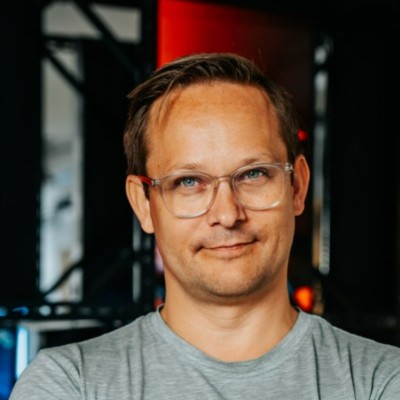
Torbjörn is the Technical Director of GOALS, Former Head of Technology at Toca Boca/Spin Master Digital, Studio Director at King, Senior Technical Director at DICE. He helped ship Battlefield3, Battlefield 4, Battlefield 1 and Mirror's Edge Catalyst. Was responsible for both vision and technology, ranging from Gen4 specific features Kinect, Companion Apps to online technology and making sure the game ran at 60 fps with 64 players on the Gen 4 consoles (XBOX One and PS4).
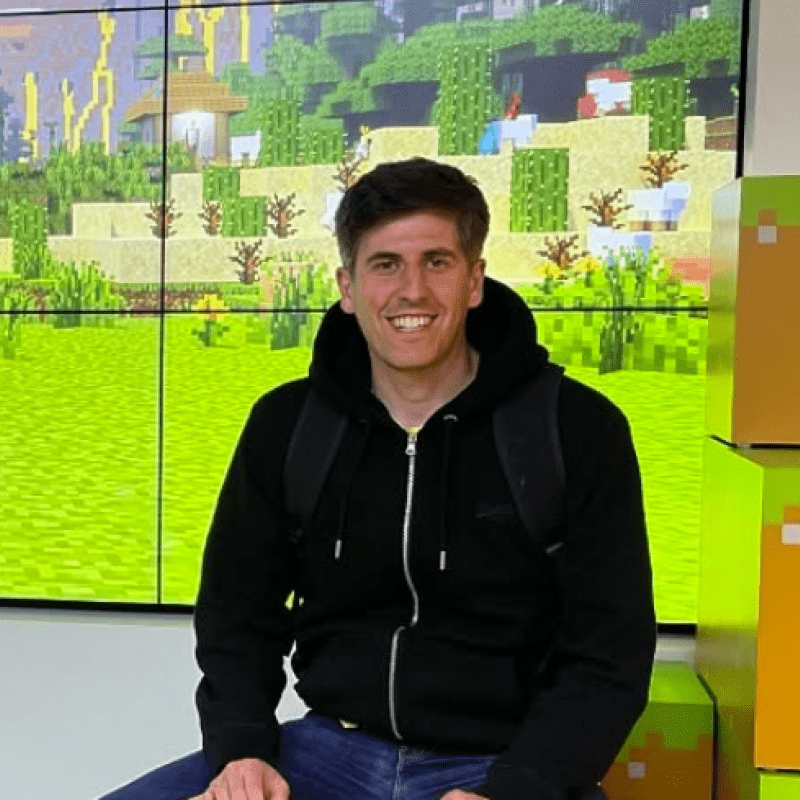
Daniel is a Senior Software Engineer at Xbox. He began in the Xbox Certification team, where he gained extensive experience in ensuring game quality and compliance. Over time, Daniel transitioned to focus on gaming sustainability, contributing significantly to Xbox's efforts in this area. His work includes developing and enhancing the Xbox Sustainability Toolkit, supporting sustainable gaming practices, and building the data systems to track Xbox's path to being a carbon negative organisation by 2030.
For over 20 years, Laurent has explored every facet of building real-time 3D experiences from creating 2D and 3D content to designing content creation pipelines for real-time applications, architecting game engine systems, and leading software development teams. Laurent is also the author of a reference book on 3ds Max and cofounder of a game studio. At Unity, he influences Product Strategy for Unity Engine and Services, and leads the Unity Montreal Studio.

Hauke is a Technical Artist at Deck 13, currently working on an unannounced project. He previously worked on several VR projects and for Limbic Entertainment on the theme park game Park Beyond. His main responsibility is ensuring the game artists' vision shines and runs smoothly on every supported platform.
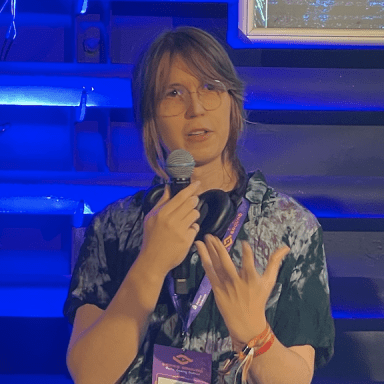
Ashe Foltin is the Co-Founder and Creative Director of Bold Beetle Games, currently working on the Physics-Platformer Dung Slinger. They started working on Games at 13 years old, creating mods and unreleased games of various sizes. The game that led them to found a studio started as a student project, got nominated at the German Developer Awards and received state funding. As a game developer of the next generation, they have an active interest in making the Games Industry sustainable, because if they don’t care nobody else will.